
Asian Tucker blog
What Is a Dim Sim? The Aussie Dimmy, Steamed or Fried
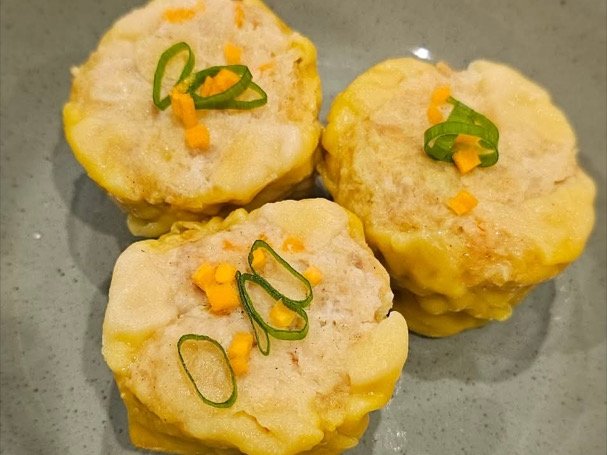
A dim sim is a meat and vegetable dumpling, usually pork and cabbage, wrapped in a thicker, doughier skin than a Chinese dumpling and then steamed or deep-fried. Australians often call them dimmies, and they are a fixture in fish-and-chip shops right around the country. At Asian Tucker in Tanunda our pork dimmies come fried or steamed, at $3 each.
If you grew up with dimmies from the corner shop, you already know what they are. But where did they come from, and how are they different from the dumplings you get at yum cha? Here is the short version.
Dim sim or dim sum?
They sound almost the same, and that is not a coincidence. Dim sum is the Cantonese name for the whole tradition of small dishes served with tea, from steamed buns to dumplings. A dim sim is one particular snack that grew out of it here in Australia.
According to Wikipedia's dim sim entry, the dim sim was inspired by Cantonese dim sum, in particular siu mai, the open-topped pork dumpling. The name itself is a different pronunciation of the same Chinese characters, which is why Australians ended up saying "dim sim" rather than "dim sum".
Where the dim sim comes from
The dim sim is a Chinese-Australian invention, and its story starts in Melbourne. Wikipedia notes that the term dates back to at least 1928, and that the modern recipe was most likely developed in Melbourne's Chinatown in 1945 by William Wing Young for his food company, Wing Lee.
The family tells it a little differently. His daughter, the cooking presenter Elizabeth Chong, has said her father did not invent the dim sim, but turned it into the Australian fast-food icon it became. In an interview with CNN Travel, she said that without her father, the dim sim "wouldn't be an Australian fast-food icon". Either way, a commercial version made in a factory, with a thicker skin that held up to cooking and travelling, is what took dimmies from Chinatown to milk bars and chippies around the country.
There is even a regional heavyweight: the larger, rounder "South Melbourne dim sim", named after South Melbourne Market, where it started.
Dim sim vs dumpling vs siu mai
- Dim sim (dimmy): a Chinese-Australian snack. Minced meat, cabbage and seasoning in a thicker, doughier wrapper, usually a sturdy cylinder. Steamed or deep-fried.
- Siu mai: the Cantonese dim sum dumpling that inspired it, open at the top. Usually smaller, with a thinner wrapper.
- Dumpling: a broad family. Any filling wrapped in dough, then boiled, steamed or pan-fried, with thinner skins and many shapes.
Put simply, every dim sim is a kind of dumpling, but a dim sim is bigger and sturdier than the dumplings you would find at yum cha. That thick skin is the point. It is what makes a dimmy hold together in a deep fryer and survive the trip home in a paper bag.
What goes in a dim sim?
The classic filling is minced meat, usually pork, with cabbage and seasoning. Wikipedia notes that William Wing Young's original filling used pork, prawns, water chestnuts, spring onions and soy sauce. Vegetarian dim sims exist too, typically with cabbage, carrot, vermicelli and mushroom, but they are much harder to find.
Ours are pork dimmies. If you have a food allergy or need to avoid gluten, phone us before you order. Dim sim wrappers are usually wheat-based, and we can tell you what goes into ours.
Steamed or fried?
This is the big debate, and there is no wrong answer. We do both.
- Steamed: soft, slightly chewy skin and a juicy filling. The lighter choice, and the closest to the dim sum dumpling the dim sim came from.
- Fried: a crisp, golden shell with a soft middle. The fish-and-chip-shop classic, and the one most people grew up with.
Can't decide? Order one of each. At $3 a dimmy, it is the cheapest way to settle the argument.
Soy sauce, sweet chilli or tomato sauce?
Dimmies are usually eaten with soy sauce, sweet chilli sauce or tomato sauce, and everyone has a favourite. If you have one, ask at the counter.
How we serve dimmies at Asian Tucker
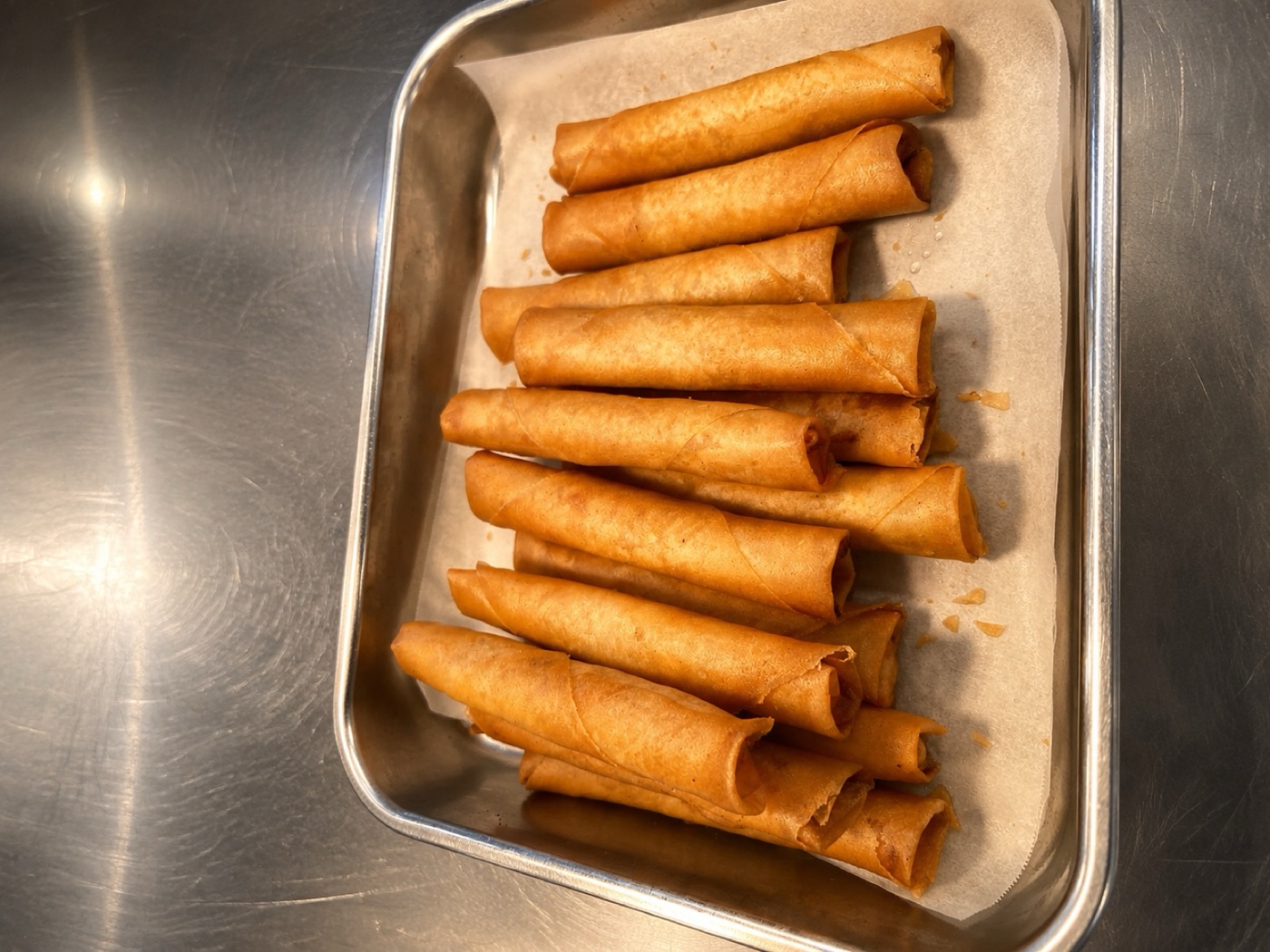
Ours take after their siu mai roots: open at the top, as you can see in the photo at the top of this page. Dimmies sit in the entrée and snacks part of our menu, alongside spring rolls and Vietnamese pork meatballs. They work as a snack on their own or as an add-on to a roll or a buffet plate. Prices are subject to change without notice; the menu on our home page is always the latest.
| Snack | Price |
|---|---|
| Pork dimmies, fried or steamed | $3 each |
| Spring rolls | $3 each |
| Vietnamese pork meatballs | $5 a stick |
| Sushi rolls | $4 a roll |
A few ideas for building a lunch around them:
- Roll and a dimmy: a bánh mì roll from $10, plus a fried dimmy on the side.
- The snack plate: two dimmies, a spring roll and a stick of pork meatballs to share.
- Buffet plus: a Hungry Plate ($18, one side and one choice) with a couple of steamed dimmies.
Our menu guide explains the rest of the counter, from cold rolls to sticky rice.
Ordering dimmies in Tanunda
You will find us at Shop 3, 1A Para Road, Tanunda, open Monday to Friday, 10am to 4pm, and closed on weekends and public holidays. Everything is made fresh to order, so allow a few minutes. Ring ahead on 0426 288 098 and your order will be waiting. Feeding a crowd? Dimmies are a good pick for catering too.
Frequently asked questions
What is a dim sim?
A dim sim is a Chinese-Australian snack: minced meat, usually pork, with cabbage and seasoning in a thick, doughy wrapper, either steamed or deep-fried. Australians often call them dimmies.
What is the difference between a dim sim and a dumpling?
A dim sim is a kind of dumpling, but it is bigger, with a thicker and doughier skin than most Chinese dumplings, so it holds up to deep-frying. It was inspired by siu mai, the Cantonese dim sum dumpling.
Where were dim sims invented?
In Melbourne. The modern recipe was most likely developed in Melbourne's Chinatown in 1945 by William Wing Young for his company Wing Lee, although the word dim sim dates back to at least 1928.
Do you sell dimmies at Asian Tucker?
Yes. Our pork dimmies come fried or steamed at $3 each, at Shop 3, 1A Para Road, Tanunda, Monday to Friday 10am to 4pm. Prices are subject to change without notice.